Categories
Repair and Replacement Tech Articles

Pickup Truck Bed Repair Panels: How to Fix Rust and Damage

Pickup Truck Bed Repair Panels: How to Fix Rust and Damage

truck bed panels

Pickup truck beds take a beating. Whether it’s hauling materials, enduring harsh weather, or simply dealing with age, the bed is one of the first areas to show signs of rust and damage. Left untreated, this damage can spread and compromise the vehicle’s structure and resale value. Fortunately, repairing or replacing bed panels is a straightforward process when you have the right parts and guidance.

At Raybuck Auto Body Parts, we specialize in supplying heavy-duty, stamped steel repair panels that match OEM specifications, helping truck owners restore strength and style to their rides without overspending.

Key Takeaways

  • Rust and damage to pickup truck beds are common due to exposure to moisture, salt, and heavy use.
  • Early detection and repair of rusted or dented areas help prevent structural issues and higher repair costs.
  • Raybuck Auto Body Parts offers OEM-style stamped steel panels for direct-fit replacements across popular Ford and Chevy/GMC models.
  • The repair process involves removing the damaged area, test fitting the new panel, welding or securing it in place, then sealing and painting.
  • Regular maintenance—like applying bed liners and rust inhibitors—can extend the life of your truck bed and repair panels.

A dull tap on your truck bed might be a sign of deep corrosion underneath the paint.

Sometimes it’s not what you see — it’s what you hear.

Understanding Truck Bed Rust and Damage

Truck beds are constantly exposed to water, salt, chemicals, and debris — all of which contribute to rust over time. Even newer trucks can develop corrosion around the wheel wells, tailgate corners, and bed floor if protective coatings wear off. Rust starts small but spreads quickly, especially underneath paint or undercoating where moisture gets trapped.

Common damage also includes:

  • Deep scratches or dents from cargo
  • Impact damage from rear-end accidents
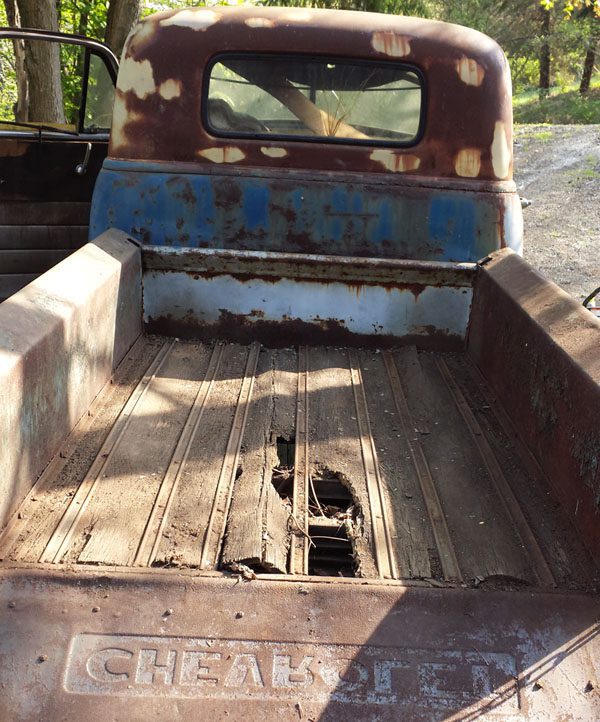
  • Worn-through floor sections from prolonged use

Ignoring these problems can lead to structural issues and costly repairs. Replacing rusted or dented panels early helps preserve your truck’s durability, appearance, and overall value.

Assessing the Extent of Damage 

Before starting any repair, it’s important to assess how widespread the damage is. Surface rust can often be sanded and coated, but anything beyond surface-level — such as bubbling paint, flaking metal, or holes — usually requires panel replacement.

Inspection Tips

  • Check for rust around wheel wells, tailgate seams, bed corners, and the bed floor.
  • Use a flashlight and feel for weak spots from underneath the truck.
  • Tap suspect areas lightly — a dull sound often indicates deeper corrosion.
  • Measure the area to determine the size of the replacement panel needed.

If you’re seeing multiple compromised sections or structural integrity is in question, replacing the full side panel or bed floor may be the safest and most economical option.

Choosing the Right Repair Panels

1967-1972 Chevrolet|GMC Pickup Truck Bed Floor Assbly

Raybuck Auto Body Parts carries a full range of pickup truck bed repair panels made from high-quality 18-20 gauge stamped steel. Each panel is designed for a direct fit based on the vehicle’s make, model, and year.

We offer bed repair panels for

Ford Trucks

  • 1980–1986 Ford Pickup Bed Panels
  • 1997–2003 F-150/F-250 Bed Panels
  • 1999–2016 Super Duty Bed Floor and Side Panels

Chevy/GMC Trucks

  • 1988–1998 GM Pickup Bed Panels
  • Bed Floors, Side Skins, and Inner Wheelhouses

All panels are engineered to match OEM contours, which means less fabrication and easier installation. Our parts are also primer-coated for added corrosion resistance.

Why Choose Raybuck Panels

  • Heavy-gauge steel for durability
  • Designed for weld-on or bolt-on installation
  • Cost-effective alternative to replacing entire truck beds

Preparing for the Repair Process

Once you’ve selected your panel, preparation is key to a smooth and safe repair. Depending on the type of repair, you may need:

Tools and Materials

  • Angle grinder or spot weld cutter
  • Drill and metal bits
  • MIG welder (or self-tapping screws for temporary installs)
  • Seam sealer
  • Rust converter
  • Primer and paint

Safety Gear

  • Protective gloves
  • Eye protection
  • Respirator (especially if grinding or welding)

Be sure to clean the surrounding area and remove any trim or hardware that interferes with access. Mark your cut lines clearly and double-check your panel fit before making permanent changes.

Step-by-Step Guide to Replacing Truck Bed Panels
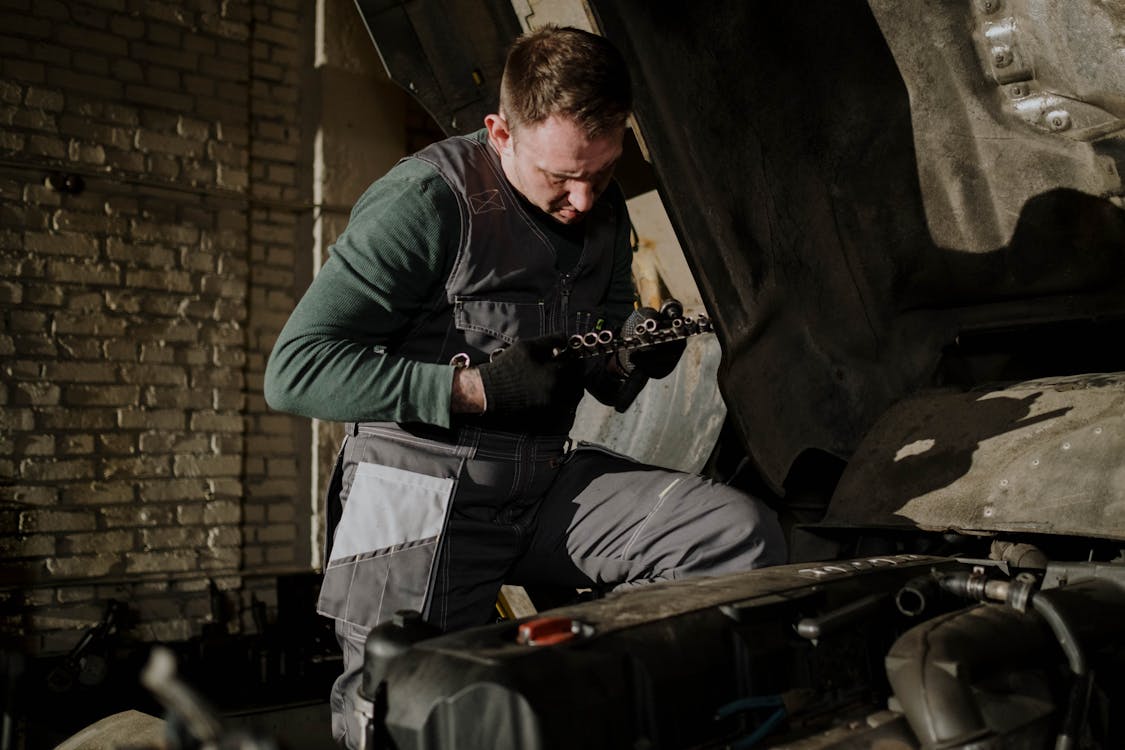
step by step guide replacing truck panels

The repair process will vary slightly depending on whether you’re replacing a side panel, wheel arch, or bed floor, but the general steps are similar:

Remove the Damaged Area

  • Cut out or drill the spot welds holding the rusted section in place.
  • Clean up the edges using a grinder to create a smooth weld zone.

Test Fit the New Panel

  • Place the Raybuck panel into position and ensure alignment with factory body lines.
  • Trim if necessary to ensure a snug fit.

Secure the Panel

  • Weld the new panel into place or use temporary screws to hold alignment.
  • If welding, use tack welds around the perimeter to minimize heat distortion.

Seal and Finish

  • Apply seam sealer to joints and welds to prevent moisture intrusion.
  • Prime, paint, and undercoat to protect the new panel.

Reinstall Components

  • Replace any trim, lights, or brackets removed during disassembly.

This process can typically be completed over a weekend with basic body tools and a clean workspace.

Maintenance Tips to Prevent Future Damage 

After investing in a panel repair, the last thing you want is for rust to return. Keeping your truck bed clean and protected goes a long way in preventing future issues.

Recommended Maintenance

  • Rinse off road salt regularly, especially in winter.
  • Apply a spray-on or drop-in bed liner to shield against scratches and dents.
  • Use a rust inhibitor or wax-based undercoating on exposed metal and seams.
  • Inspect annually for chips or bubbling paint and touch up as needed.

Following these steps will maximize the lifespan of your Raybuck repair panels and keep your truck looking sharp.

Pickup truck bed repair panel replacement

Repairing a rusted or damaged truck bed is one of the most rewarding upgrades you can make to your vehicle. With premium stamped steel panels from Raybuck Auto Body Parts, you can restore strength, functionality, and resale value with confidence. 

Restore your truck’s strength and style with high-quality, OEM-fit repair panels from Raybuck Auto Body Parts.

Other Resources

Categories
Restoration Tech Articles

Everything You Should Know About Auto Body Fasteners

Everything You Should Know About Auto Body Fasteners

Auto body fasteners might be small, but they play a huge role in vehicle restoration, repairs, and daily operation. Whether you’re replacing a rusted-out panel or reassembling interior trim, using the right fasteners ensures everything stays secure and aligned.

At Raybuck Auto Body Parts, we provide a wide selection of high-quality automotive fasteners to help professionals and DIYers complete projects with confidence. From body bolts and U-nuts to screws, clips, and retainers, we carry the exact parts you need for a proper fit and finish — all backed by decades of experience serving the automotive restoration community.

Key Takeaways

  • Auto body fasteners are essential for securing vehicle components like panels, trim, and brackets during repairs or restoration.
  • Common fastener types include body bolts, U-nuts, screws, retainers, clips, and rivets — each designed for specific applications.
  • Material and coating choices such as zinc-plated steel or black phosphate help prevent corrosion and improve durability.
  • Proper selection and installation based on thread size, length, and material compatibility ensures a secure and lasting fit.
  • Raybuck Auto Body Parts offers OEM-style fasteners, organized by vehicle and application, making it easy to find exact replacements.

Rivets are ideal for vibration-heavy areas like inner fenders and brackets. They’re not just old-school — they’re rock-solid.

What Are Auto Body Fasteners?

Auto body fasteners are hardware components used to join or secure various parts of a vehicle — from exterior sheet metal to interior panels. These parts are designed to withstand vibration, weather, and wear over time, maintaining structural integrity and appearance. 

Fasteners are used in countless places: fenders, doors, quarter panels, dashboards, trim, and even the undercarriage.

Raybuck Auto Body Parts offers replacement fasteners that match OEM specs, so you can restore your vehicle without compromise. Whether you’re working on a classic car or a late-model truck, finding the correct type and size is crucial for safety and performance.

Common Types of Auto Body Fasteners

Bumper Cover Retainer Cadillac - PK 15-WF49603

We stock a wide range of fasteners to cover almost every application. Here’s a breakdown of some of the most commonly used types:

Body Bolts & U-Nuts

These are essential for attaching fenders, inner panels, and brackets. Raybuck’s selection includes zinc-coated body bolts with built-in washers, and U-nuts designed for a tight grip on sheet metal.

Example Products:

  • 5/16-18 x 1″ Body Bolt with 1-1/8″ Washer
  • U-Nut 5/16-18

Screws

Screws are widely used across interiors and exteriors. Raybuck offers Phillips head, flat top, hex washer head, and other specialty screws for direct-fit replacement.

Example:

  • Phillips Zinc Flat Top Screw #8 x 1″

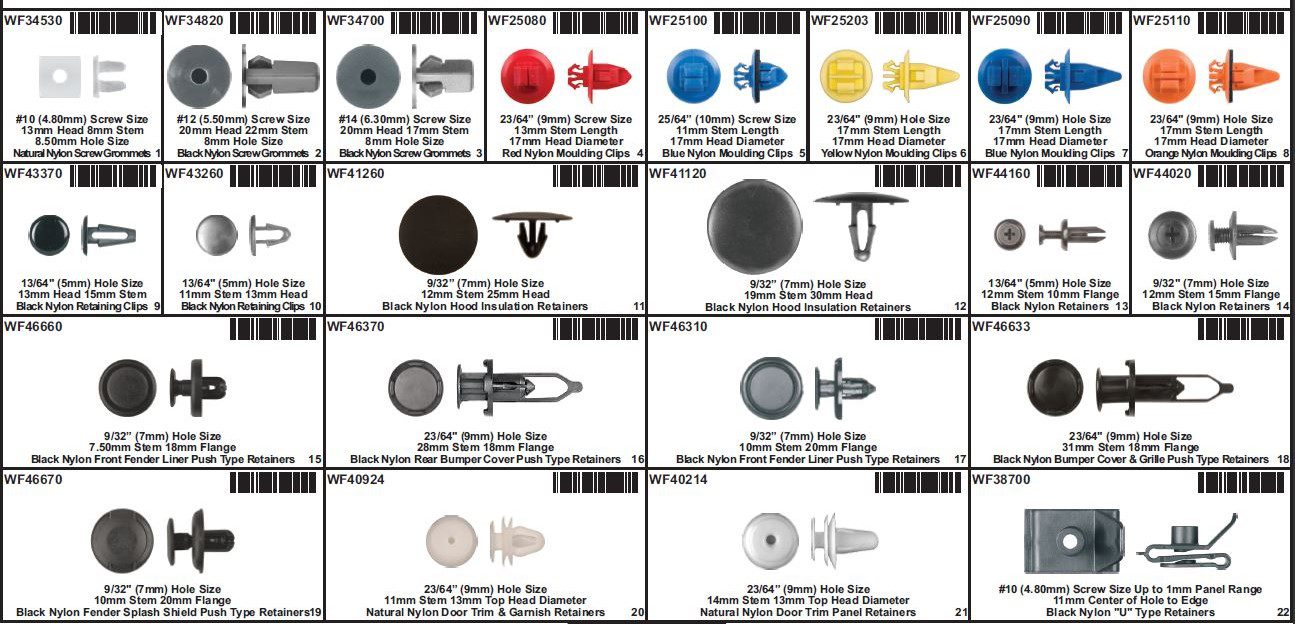
Retainers & Clips

These are used to secure moldings, weatherstrip, door panels, and headliners. Raybuck provides both plastic and metal options to match factory parts.

Rivets

Rivets provide permanent fastening, often used on inner fenders or brackets where a vibration-resistant bond is needed.

Materials and Coatings

Choosing the right material ensures durability and corrosion resistance — especially in areas exposed to moisture and road salt.

At Raybuck Auto Body Parts, many of our fasteners are made from:

  • Zinc-plated steel: Corrosion-resistant and widely used for body bolts and screws.
  • Black phosphate-coated steel: Offers protection and blends with dark vehicle components.
  • Plastic or nylon: Ideal for clips and trim retainers where flexibility and lightweight performance matter.

These finishes not only improve longevity but also reduce the risk of galvanic corrosion when fasteners are in contact with different metals, like aluminum panels.

Selecting the Right Fasteners

3/16" Aluminum Rivet Black Rec Head Grip to 1/4" - PK 25-WF55374

When choosing fasteners for your vehicle, it’s important to match the original part’s specifications. Factors to consider:

Key Considerations

  • Thread size & pitch: Mismatched threads can damage body panels or fail under stress.
  • Length & washer size: Ensures even pressure distribution and prevents pull-through.
  • Material compatibility: Prevents corrosion and ensures longevity.
  • Application location: Interior fasteners differ from underbody or exterior ones.

Raybuck’s fasteners are organized by category and application, making it easy to find the exact component for your project. For example, if you’re working on a 1999–2006 Chevy Silverado, we offer direct-fit body bolts and U-nuts designed to match OE dimensions.

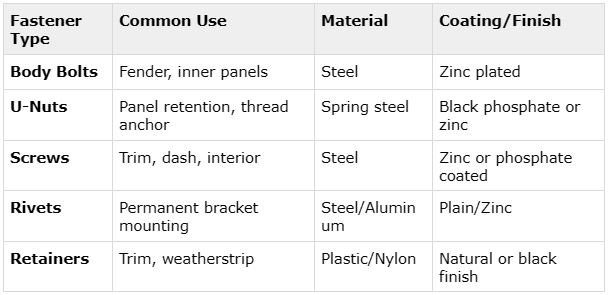
Quick Reference Table

fastener type table

Installation and Maintenance Tips

Correct installation and regular inspection of fasteners help prevent panel gaps, rattles, and structural issues.

Installation Best Practices

  • Use the correct torque spec to avoid stripping or overtightening.
  • Clean the mounting surface to ensure full contact and corrosion resistance.
  • Use anti-seize compound for steel-on-steel contact in exposed areas.

Maintenance Tips

  • Inspect fasteners during any panel or trim removal.
  • Replace any rusted or broken clips and bolts to maintain structural integrity.
  • Use OEM-style replacements like those available at Raybuck to maintain value and appearance, especially on classic restorations.

We recommend buying fasteners in multi-packs or kits when working on larger sections of the vehicle, as it ensures consistency and saves time sourcing individual pieces.

Auto body fasteners – more than just nuts and bolts

Auto body fasteners are more than just nuts and bolts — they’re the foundation of any successful restoration or repair job. Using the correct hardware ensures your vehicle’s panels fit properly, look great, and stay secure for years to come. 

At Raybuck Auto Body Parts, we take pride in offering high-quality, OEM-style fasteners for classic and modern vehicles alike. Whether you’re tackling a full restoration or just need a handful of clips to finish a job, you can trust Raybuck to provide the right parts, fast shipping, and expert support.

Find the exact fasteners you need for your restoration or repair project at Raybuck — trusted by automotive pros since 1985.

Further Reading

Categories
Repair and Replacement Tech Articles

How to Choose the Right Auto Body Replacement Parts for Your Vehicle

How to Choose the Right Auto Body Replacement Parts for Your Vehicle

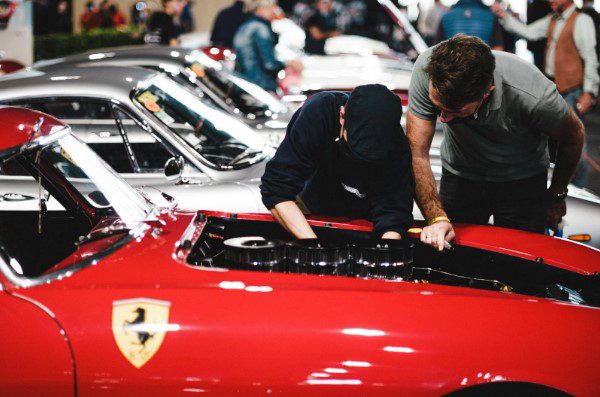
ferrari

Maintaining the structural integrity and appearance of your vehicle requires selecting the right auto body replacement parts. Whether repairing accident damage, addressing rust issues, or restoring a classic car, choosing the correct parts ensures proper fit, durability, and performance. This guide will help you navigate the selection process to make informed purchasing decisions.

Key Takeaways

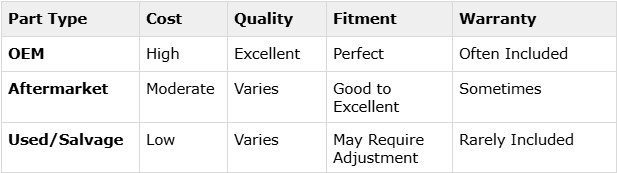
  • Know Your Options – Auto body replacement parts come in three main types: OEM, aftermarket, and used/salvage, each with different costs, quality levels, and fitment considerations.
  • Compatibility Matters – Always check your vehicle’s make, model, and VIN to ensure the part fits correctly and functions as intended.
  • Quality vs. Cost – While aftermarket parts are often more affordable, OEM parts guarantee perfect fitment and durability, while used parts can be a budget-friendly alternative.
  • Buy from Reputable Sources – Trusted suppliers like Raybuck Auto Body Parts offer high-quality components, ensuring better longevity and customer support.
  • Avoid Counterfeits – Look for certifications, reviews, and reliable warranties to ensure you’re purchasing genuine, high-quality replacement parts.

OEM vs. aftermarket vs. salvage—do you know the difference? 🤔

💡 OEM = Perfect fit, high cost
💡 Aftermarket = Budget-friendly, but fit varies
💡 Used = Cheap, but inspect carefully

Which do you trust for your repairs?

Types of Auto Body Replacement Parts

When shopping for replacement parts, it’s essential to understand the different types available. Each type varies in cost, quality, and fit.

Original Equipment Manufacturer (OEM) Parts

  • Produced by the vehicle’s original manufacturer.
  • Guaranteed precise fit and performance.
  • Typically more expensive but often include a warranty.
  • Preferred by insurance companies and dealerships for repairs.
  • Helps maintain vehicle resale value by using manufacturer-approved components.

Aftermarket Parts

  • Manufactured by third-party companies.
  • Generally more affordable than OEM parts.
  • Available in a variety of quality levels; some exceed OEM standards, while others may not fit perfectly.
  • Some high-end aftermarket parts provide better durability and enhanced performance.
  • Wide availability, allowing for greater customization options.

Used or Salvage Parts

  • Reclaimed from other vehicles.
  • Cost-effective and environmentally friendly.
  • May show signs of wear and have limited or no warranty.
  • Ideal for older vehicles where new OEM parts may no longer be available.

Require thorough inspection to ensure reliability before purchase.

part type

Factors to Consider When Choosing Replacement Parts

foreign cars

Compatibility

Choosing a part that matches your vehicle’s make, model, and year is crucial. Even slight differences can lead to installation issues. Check your vehicle identification number (VIN) to find exact part matches.

Quality and Durability

Durability is key to ensuring a long-lasting repair. Look for parts made from high-quality materials, especially when dealing with rust repair panels and structural components. High-quality steel or corrosion-resistant coatings can enhance longevity.

Cost vs. Value

While aftermarket parts may be cheaper, they can vary in quality. A well-made aftermarket or OEM part may provide better value than a low-cost alternative. Consider long-term savings by choosing durable parts that require fewer replacements.

Warranty and Return Policy

A warranty provides peace of mind. Ensure the supplier has a clear return policy in case the part does not fit or meet expectations. Some suppliers offer extended warranties or guarantees on specific parts.

Source and Manufacturer Reputation

Purchase from reputable suppliers like Raybuck Auto Body Parts, known for providing quality rust repair panels and auto body replacement parts. Customer reviews, testimonials, and industry certifications can help verify supplier credibility.

Steps to Identify the Correct Part for Your Vehicle

Consult Your Vehicle’s Manual

Check the owner’s manual for specific part numbers and specifications. Manufacturer websites also provide online catalogs and lookup tools.

Use Online Resources

Most manufacturers and retailers, including Raybuck Auto Body Parts, provide online catalogs to match parts with your vehicle’s details. Some websites offer VIN-based searches for guaranteed compatibility.

Inspect the Existing Part

If replacing a damaged or rusted part, check for identification numbers, size, and shape to ensure a proper match. Compare the part’s dimensions and attachment points.

Ask a Professional

Mechanics and body shop professionals can guide you to the correct part based on your vehicle’s condition and your needs. They may also have insights into the best brands or materials for long-term durability.

Why Choose Raybuck Auto Body Parts?

1968-1969 Chevrolet Nova|Chevy II Front Fender

Since 1985, Raybuck Auto Body Parts has been a trusted source for high-quality rust repair panels and replacement parts. We specialize in providing durable, precision-fit panels for:

  • Chevy, Ford, and Dodge trucks, vans, and SUVs.
  • Jeeps and Volkswagens.
  • Classic vehicle restorations.
  • Hard-to-find parts for discontinued models.

What Sets Us Apart?

  • Wide Selection: We carry rust repair panels, fenders, door skins, and more for various makes and models.
  • Premium Quality: Our parts meet or exceed OEM standards, ensuring excellent fitment and durability.
  • Expert Customer Support: Our team helps customers find the right parts for their vehicles, offering guidance on selection and installation.
  • Competitive Pricing: We offer affordable options without compromising quality.
  • Fast Shipping: We ensure quick order processing and delivery, so you get your parts when you need them.

Tips for Avoiding Counterfeit or Substandard Parts

Purchase from Reputable Suppliers

Buy from trusted sellers like Raybuck Auto Body Parts to avoid counterfeit or low-quality products. Beware of unknown online sellers offering deals that seem too good to be true.

Verify Certifications

Look for certifications or guarantees that indicate the part meets industry standards. Some third-party testing organizations validate the quality of aftermarket parts.

Be Cautious of Low Prices

If a deal seems too good to be true, it probably is. Extremely cheap parts often indicate poor quality or counterfeits. Counterfeit parts may not have the same safety and durability as genuine parts.

Inspect Packaging and Branding

Authentic parts typically have high-quality packaging and branding. Poor printing, misspelled words, or incorrect logos can be red flags. Compare packaging with known genuine parts.

Check Customer Reviews

Research reviews and ratings from other buyers. Reputable brands and suppliers will have positive customer feedback and detailed product descriptions.

Conclusion: Auto body replacement parts

Selecting the right auto body replacement parts is essential for maintaining the safety, performance, and appearance of your vehicle. Understanding the differences between OEM, aftermarket, and used parts allows you to make an informed decision based on compatibility, quality, and value.

By purchasing from a reputable supplier like Raybuck Auto Body Parts, you can be confident in the quality and fit of your replacement parts. Whether you need rust repair panels, fender replacements, or other body parts, our team is here to help. We strive to provide the best combination of price, quality, and customer service in the industry.

Find high-quality, precision-fit auto body replacement parts at competitive prices—shop now and keep your vehicle in top condition!

Further Reading

Cracking the Code: Expert Tips for Distinguishing Fake and Genuine Spare Parts: Learn how to identify counterfeit auto parts through packaging inspection, price evaluation, and assessing build quality to ensure vehicle safety and performance.

Categories
Repair and Replacement Tech Articles

A Step-by-Step Guide to Installing Truck Rust Repair Panels

A Step-by-Step Guide to Installing Truck Rust Repair Panels

Ford pickup rust repair

Rust is one of the biggest threats to the longevity of a truck. It weakens structural integrity, affects appearance, and, if left untreated, can lead to costly repairs. Fortunately, rust repair panels offer a cost-effective way to restore a truck’s body without replacing entire sections.

At Raybuck Auto Body Parts, we specialize in high-quality rust repair panels designed to fit various makes and models. Whether you’re restoring a classic truck or maintaining a daily driver, replacing rusted panels can extend the life of your vehicle and improve its value.

This guide walks you through the process of installing rust repair panels, from assessing damage to welding and finishing the job. By following these steps, you can complete a professional-grade repair and protect your truck from further corrosion.

Key Takeaways

  • Rust repair panels restore truck integrity – Replacing rusted sections prevents further damage and extends the lifespan of your truck.
  • Thorough assessment is crucial – Identifying the extent of rust helps determine whether sanding, sealing, or full panel replacement is necessary.
  • Proper tools ensure a smooth installation – Essential tools include an angle grinder, MIG welder, clamps, and rust-resistant coatings.
  • Precision in cutting, fitting, and welding is key – Proper alignment and secure welding ensure a seamless, durable repair.
  • Preventative measures stop future rust – Regular cleaning, rust inhibitors, and undercoating help protect your truck from corrosion.

Tap test your truck for rust! 🔧 If a rusted section crumbles when you tap it with a screwdriver, it’s time for a replacement. Rust repair panels offer a durable, cost-effective fix that extends your truck’s life. Don’t wait until it’s too late!

Understanding Rust and Its Impact

rust repair areas

Rust forms when metal is exposed to moisture and oxygen, creating iron oxide. Trucks in regions with high humidity, road salt, or frequent rain are especially prone to rust, particularly in areas like:

  • Rocker panels
  • Wheel arches
  • Cab corners
  • Floor pans
  • Fenders

Over time, rust spreads, weakening the metal. Surface rust can sometimes be treated with sanding and sealants, but deep rust that compromises the metal’s structure requires panel replacement. Rust repair panels are designed to restore these damaged areas efficiently, providing a strong, durable solution that maintains your truck’s value.

Assessing the Damage 

Before starting any repairs, inspect the rusted areas thoroughly. Identify whether the rust is superficial or if it has penetrated through the metal. Use the following methods:

  • Visual Inspection: Look for bubbling paint, discoloration, and flaking metal.
  • Tap Test: Tap the rusted area with a screwdriver or hammer. If it crumbles, it’s time for a replacement.
  • Light Test: Shine a flashlight from behind the panel. If light passes through, the rust is severe.

If the damage is beyond simple sanding and priming, replacing the rusted panel is the best course of action.

Gathering Necessary Tools and Materials

Fusor 108B Panel Bond Epoxy Adhesive-BS108B

Having the right tools is essential for a smooth installation process. Before beginning, gather the following:

Tools

  • Angle grinder with cutting and grinding discs
  • Wire brush or sanding disc
  • MIG welder
  • Clamps and vise grips
  • Measuring tape
  • Marker or scribe
  • Drill and spot weld cutter
  • Body hammers and dollies
  • Respirator, safety glasses, gloves

Materials

  • Rust repair panels from Raybuck Auto Body Parts
  • Seam sealer
  • Weld-through primer
  • Automotive-grade primer and paint
  • Body filler (if necessary)
  • Undercoating or rust inhibitor

Having all these items ready ensures an efficient and professional-quality repair.

Preparing the Work Area

A well-organized workspace leads to better results. Start by:

  • Parking the truck on a level surface and securing it with wheel chocks.
  • Removing trim, moldings, or components obstructing the rusted panel.
  • Cleaning the surrounding area with a degreaser to remove dirt and contaminants.
  • Ensuring proper ventilation, especially when welding or applying coatings.

If possible, work indoors to avoid temperature fluctuations and debris contamination. Having ample lighting will also help ensure precision when cutting and welding.

Removing the Damaged Area

Rusted wheel arch

To replace the rusted panel, follow these steps:

  • Mark the Cutting Line: Use masking tape or a marker to outline the area to be removed.
  • Cut Away the Rusted Section: Use an angle grinder or air saw to cut along the marked line. Avoid cutting too much; it’s easier to trim more later if needed.
  • Remove Spot Welds: If the panel is welded, use a drill and spot weld cutter to detach it from the frame.
  • Clean the Edges: Grind the edges smooth to prepare for the new panel installation.

Test for Fitment: Before proceeding, test-fit the new panel to ensure proper alignment.

Fitting the Replacement Panel 

With the old rusted section removed, it’s time to position the new panel:

  • Align the Panel: Place the repair panel in position, ensuring it fits flush against the surrounding metal.
  • Clamp in Place: Use clamps or vise grips to hold the panel in position before welding.
  • Trim if Necessary: If the panel is slightly oversized, trim the edges for a perfect fit.
  • Mark the Weld Areas: Identify where the new panel will be welded to the existing metal.

Proper fitting is essential for a seamless repair. If needed, make small adjustments to ensure there are no gaps or misalignments.

Welding the New Panel in Place 

Secure the repair panel with a strong weld to ensure durability:

  • Apply Weld-Through Primer: Coat the edges to protect against future rust.
  • Tack Weld First: Begin with small tack welds spaced apart to avoid warping.
  • Stitch Weld the Panel: Use short, controlled welds to minimize heat distortion.
  • Grind the Welds: Once cooled, grind down the welds to create a smooth, seamless finish.
  • Check for Gaps: Ensure there are no gaps or weak points in the welds.

A strong, even weld ensures the panel remains securely attached and structurally sound.

Finishing Touches 

With the panel welded in place, it’s time to refine the repair:

  • Apply Seam Sealer: Protect the seams from moisture intrusion.
  • Sand the Surface: Smooth out any rough areas.
  • Apply Primer and Paint: Match the existing color for a factory finish.
  • Use Undercoating: Add protection to the underside to prevent future rust.

These finishing steps ensure a long-lasting repair that blends seamlessly with the rest of the truck.

Preventative Measures

To keep rust from returning, take the following precautions:

  • Wash the truck regularly, especially in winter months.
  • Apply a rust inhibitor to high-risk areas.
  • Use undercoating to protect the truck’s underside.
  • Keep drains and seams clean to prevent moisture buildup.

Rust prevention is key to maintaining your truck’s condition and avoiding costly repairs in the future.

Conclusion: Truck Rust Repair Panels 

Installing rust repair panels is an effective way to restore a truck’s integrity and appearance. By following these steps, you can achieve professional-quality results and extend your vehicle’s lifespan.

At Raybuck Auto Body Parts, we provide high-quality, precision-fit rust repair panels designed for various truck makes and models. Whether you’re a DIY enthusiast or a professional restorer, our products help you complete the job efficiently and effectively.

Browse our selection of rust repair panels today and get the parts you need to restore your truck with confidence.

Have questions? You can call, email, or chat with us online, and we’d be happy to help you find the parts you need to fix your truck.

Upgrade your truck with high-quality, precision-fit rust repair panels from Raybuck Auto Body Parts—shop now for durable, affordable solutions that keep your vehicle looking and performing its best!

Further Reading

Categories
Repair and Replacement Tech Articles

Rocker Panels: OEM vs. Aftermarket

Rocker panels are critical to your vehicle’s exterior, offering structural reinforcements as a barrier against road debris, moisture and salt. With quality rocker panels installed, you can help protect your vehicle from rust or potential damage if you’re in an accident.

When it’s time to replace your rocker panels, you must decide on original equipment manufacturer (OEM) or aftermarket options. The right rocker panel depends on your budget and vehicle. Ensure you understand the differences between OEM vs. aftermarket rocker panels before making your next purchase.

OEM Rocker Panels

OEM rocker panels come directly from the vehicle’s manufacturer. They’re produced by the manufacturer who made your vehicle or an approved supplier. OEM rocker panels are identical to the originals since the manufacturer has the exact specifications and materials needed for your car.

Advantages of OEM Rocker Panels

OEM rocker panels can be a quality option for vehicle owners. They offer you:

  • Exact fit: OEM parts are designed specifically for the vehicle. You’re guaranteed to get rocker panels designed for your make and model without any modifications.
  • Original specifications: OEM parts use the same materials, coatings and gauge thickness as the original panel.
  • Warranty protection: Your warranty or insurance claim might require OEM replacement parts to maintain coverage.

Disadvantages of OEM Rocker Panels

While OEM rocker panels can be a good option for your vehicle, they’re not always the best choice. Some of the downsides of OEM rocker panels include:

  • Higher cost: Since OEM components come from the manufacturer, they’re more expensive than aftermarket alternatives. They may also come as part of a larger section, which may cost even more and may require more prep and installation time.
  • Limited availability: When vehicles are old or discontinued, finding OEM part replacements can be challenging.
  • Professional Installation: OEM rocker panels may need professional installation and welding to ensure proper repairs and warranty coverage.

When to Choose OEM Parts

Choose OEM rocker panels when warranties and 100% precision matter the most. If your vehicle is under warranty, you might have to use OEM parts to maintain coverage. They’re also popular for classic restorations, where every detail must meet the original factory specifications. However, if you have a hard-to-match vehicle or don’t need the rocker panels to be an original match, aftermarket panels can work well.

Aftermarket Rocker Panels

Aftermarket rocker panels are replacement parts manufactured by third-party groups. They aren’t from the manufacturer. Instead, aftermarket parts are produced by manufacturers who make parts for a wide range of vehicles. This setup gives you more flexibility with pricing and availability. Aftermarket rocker panels come as direct-fit replacements and modified options. They’re great for anyone interested in well-fitting, affordable replacement rocker panels.

Types of Aftermarket Rocker Panels

Types of Aftermarket Rocker Panels

There are several types of aftermarket rocker panels to choose from, including:

  • Direct-fit replacement panels: Direct-fit replacement panels are designed to match OEM specifications as closely as possible. They fit the exact dimensions while costing less than OEM parts. There might be slight adjustments needed during installation, but the panels will fit your vehicle.
  • Universal fit panels: These rocker panels are made to cover multiple models. They’re designed to fit a wider range of vehicles and are often made of thinner materials, so they often need bending, cutting or trimming to fit your vehicle. Universal fit options are more versatile than direct-fit replacements but usually need extra work during installation.
  • Slip-on rocker panel covers: Slip-on covers fit over your existing rocker panels. They hide rust and damage without requiring a complete replacement. Choose slip-on rocker panel covers for lower-cost cosmetic fixes.

Advantages of Aftermarket Panels

The main advantage of aftermarket panels is cost. Since they’re made by a third party, they’re much more affordable and available than OEM parts. There’s also a wider selection of aftermarket rocker panels — you can invest in highly durable options made from thicker steel or corrosion-resistant materials for added durability. Additionally, the original manufacturer may not carry the rocker panel, forcing you to purchase the entire structure for replacements. Aftermarket panels are a great solution for vehicle owners who want a quality replacement without the high cost of OEM parts.

Disadvantages of Aftermarket Panels

Aftermarket rocker panels offer excellent affordability and variety. However, they do have a few potential drawbacks to consider:

  • Potential fit issues: Aftermarket panels may not always match the OEM fit and finish, depending on the brand. Your rocker panels might fit closely but not as precisely as the OEM panels.
  • Fit requirements: Needing adjustments to make the rocker panels fit exactly is common. Whether you purchase universal fit or direct-fit rocker panels, you might need to adjust them during installation.
  • Quality variations: Aftermarket panel quality will depend on the manufacturer. Ensure you’re working with a seller who partners with reputable manufacturers to get a durable, seamless fit for your vehicle.

Installation Considerations for Rocker Panels

If you have no welding experience, a professional can install the rocker panels. If you’re doing the installation yourself, you must prepare carefully. At a minimum, expect to use these tools:

  • Angle grinder
  • Welder (unless using slip-on covers)
  • Clamps
  • Drill
  • Spot weld cutter
  • Body hammer
  • Dolly set

Remove the old panels and clean the exposed areas. Make sure the panel is aligned properly before bolting it in place. Whether you’re welding or installing a slip-cover rocker panel, avoid gaps and misalignment. The panel must fit tightly to ensure solid structural support. Use a seam sealer to block moisture from getting inside, and always paint over the rocker panel to protect the car against corrosion.

How to Keep Rocker Panels in Top Condition

Once you’ve installed your rocker panels, you need to maintain them. Ensure you’re regularly inspecting and cleaning vehicle components to prevent wear. If you live in areas with lots of road salt, mud or debris, they might need more frequent cleanings. Wash your vehicle regularly, especially in the winter, to prevent buildup from accelerating wear.

If you see rust holes in your rocker panels, you should replace them. You can repair them yourself — just use spray foam and bondo to fill in the hole. Then, sand the area and paint. While patching can help, you need to address the cause of the rust or replace the panel completely for a lasting fix.

Additionally, if you find cracks or dents in the rocker panel, consider replacing it. Minor damage is easily covered with paint, but structural issues need welding or replacement to maintain panel integrity.

Find the Right Rocker Panels for Your Vehicle at Raybuck Auto Body Parts

Choosing high-quality parts makes all the difference when it’s time to replace your rocker panels. When you need durable aftermarket restoration parts, turn to the experts at Raybuck Auto Body Parts for assistance. Our rocker panels are built for strength and fit without the high dealership price tag. We specialize in providing reliable replacement parts for a wide range of vehicles.

Browse our selection today and get the quality parts you need to repair your ride!

Find the Right Rocker Panels for Your Vehicle at Raybuck Auto Body Parts