Categories
Chevy/GMC

History of the Chevy Camaro

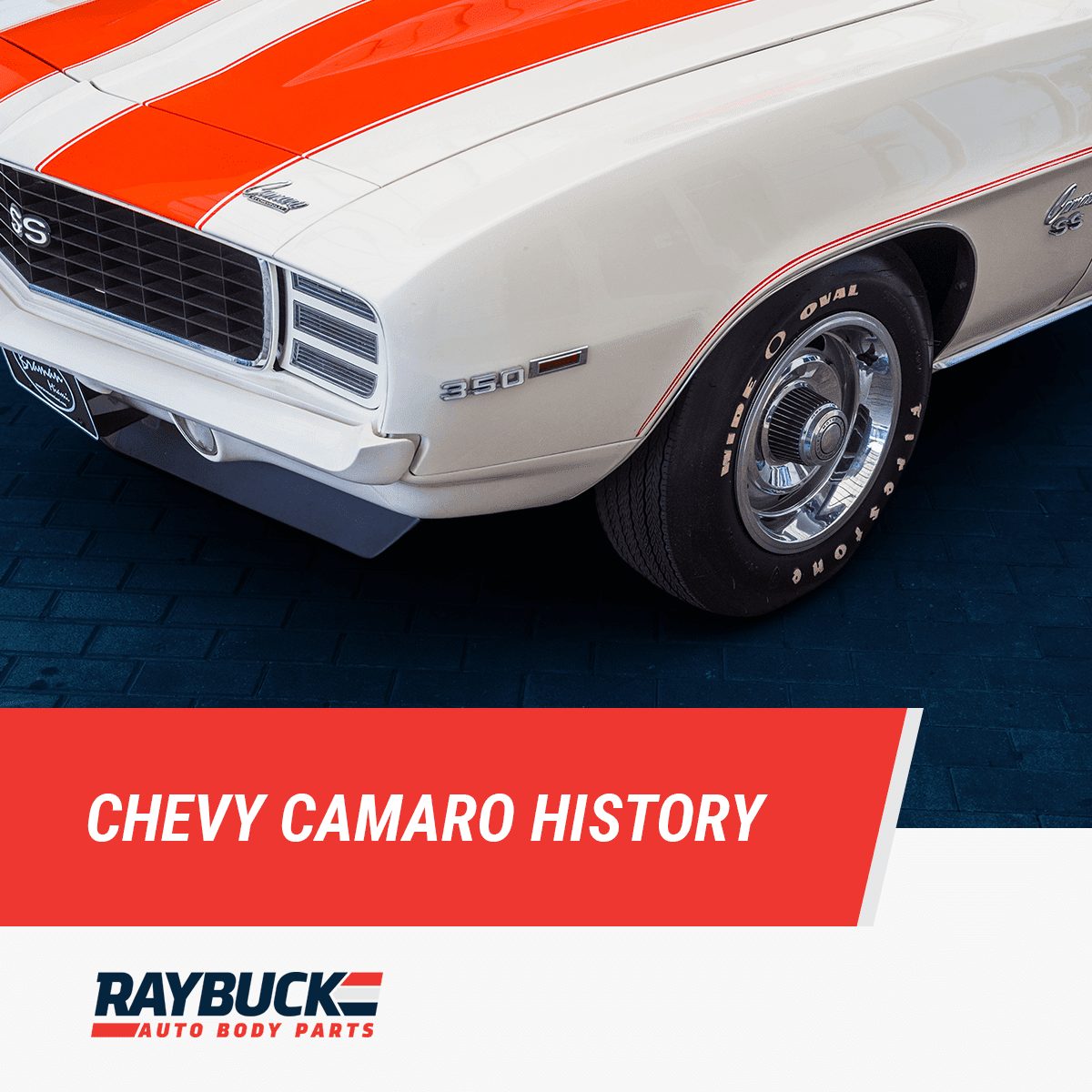
Chevy Camaro History

Chevy Camaro History

The Chevy Camaro is one of America’s most recognized muscle cars today. The Camaro found its beginnings in the 1960s when performance vehicles were first getting popular. Since then, the Camaro has experienced many changes. Still, its characteristic muscle and spirit for high-performance have remained the same throughout its half-century on the market.

Discover the Chevy Camaro’s history and learn more about the different Camaro model years that brought it to where it is today. Whether you’re new to Camaros or you have a retro Camaro of your own, you’re sure to enjoy learning more about this favorite American vehicle.

Quick Links:

The History of the Chevy Camaro

The History of the Chevy Camaro

Let’s take a closer look at all Camaro models that defined Chevy’s place in the muscle car market. Each one has its own unique features, and every decade provided its own contributions to the Camaro’s evolution from its beginnings to today.

1960s Camaro

Chevy launched the first Camaro in 1967 as a response to Ford’s Mustang. Ford released the Mustang a few years before and enjoyed a great response, so Chevrolet wanted to cut into the market with a sporty performance vehicle of its own. Chevy was open about their intentions to compete with “pony cars” like the Mustang. Legend has it that when asked what a “Camaro” was, a higher-up at General Motors responded by saying it was a “small, vicious animal that eats Mustangs.”

The first generation of Camaro rested on a rear-wheel-drive GM F-body platform like the Pontiac Firebird. It came in two models, one being a hard-top coupe with two front seats and two back seats to make room for passengers. The other released model was a convertible that was a little more expensive than the hard-top coupe. Buyers also had a choice between two engines, one being a 3.8-liter straight-six with 140 horsepower and the other being a 6.5-liter V8 reaching 375 horsepower.

Sales were decent for the first generation — still, the Camaro lagged behind the Ford Mustang. After a couple of years on the market, Chevy decided it was time for a redesign to help boost its sales numbers and keep up with tightening governmental regulations. The first-generation Camaro’s life span lasted from 1967 to 1969.

Shop 1960’s Chevy Camaro Parts »

The Introduction of Camaro Trim Options

Chevy released a few different trim options during these early years, including the Chevrolet Camaro Z28. The idea arose from Chevy’s desire to sell a race-ready Camaro at every Chevrolet dealership. While this option was great for speed-lovers, few people knew about it. Chevy chose to leave it out of their sales literature, so it went under the radar and remains a rare and sought-after Camaro model to this day.

Other trim options included the RS edition, which stood for “Rally Sport,”  and the SS edition, which stood for “Super Sport.” Costing only a little more money than the standard model, customers who bought the Camaro RS enjoyed upgraded features like roof drip rail moldings, chrome wheel well mouldings, lower body molding and the defining RS emblems. The RS also included its defining feature, which was hideaway headlights.

The Camaro SS unlocked stronger engine options for customers, reaching into the 300 horsepower range. The SS also used a unique hood to make room for these powerful engines while making it look a bit different form the other models. The Camaro SS also boasted unique exterior trim details, like SS emblems on the wheels and body.

Chevy would keep these options around to varying degrees as the years continued, sometimes combining them and sometimes rebranding them. Yet the fact remains the same — Chevy knew their target audience wanted options, so they provided them and continue to provide them for their famed line of sports cars.

The Yenko Camaro

Another type of Camaro sprung up during these early years. This is the Yenko Camaro, an aftermarket Camaro built by Chevy dealer and racecar driver Don Yenko. Yenko knew a market existed for Camaros with even more powerful engines than the ones offered at launch. This led him to order special Camaros from Chevy, which he upgraded and retrofitted to boast impressive specs like a 450 horsepower engine. He also modified the exterior and interior to include special Yenko emblems and designs.

Yenko worked closely with Chevy to get Camaro models that suited his purposes. Chevy put a limit on how much horsepower their Camaros could get, so Yenko sidestepped this limit by swapping those engines for Corvette engines. He sold these Yenko Camaros right from his Chevy dealership in Canonsburg, Pennsylvania. But it’s important to note that these were not factory models and were instead special aftermarket upgrades made by Don Yenko. Clearly, Yenko left his mark on Camaro history as collectors still seek Yenko Camaros to this day.

1970s Camaro

Chevrolet released the second-generation Camaro in 1970. This model shared many engineering qualities with the first-generation Camaro, including a unibody rear structure and front subframe. Chevy even carried over similar engines from the previous generation to their new models. Yet, it had some noticeable differences. The Camaro still looked like a Camaro, but now Chevy was setting itself apart from Ford’s Mustang more than it had during its first-generation run. Chevy was carving its own path on the muscle car market.

The exterior of the vehicle looked bigger and sharper than before. Chevrolet decided to remove the convertible option from their lineup for the second generation, limiting their customers’ choices to hard-top, coupe varieties. They made up for this with more angles, a long engine area and a uniquely shaped hood.

One of the major body changes Chevy made to the second-generation Camaro was a redesigned front end. It now featured aggressive angles, a pointed nose and a large grille. In short, the new Camaro had an attitude. But before long, the federal government rolled out some new regulations for motor vehicle safety. Starting in 1974, Chevy had to apply a bumper to the Camaro’s front end. With such a wide, angled front end, it’s impressive to see how Chevy accommodated these new laws while keeping the Camaro stylish.

The second-generation Camaro packed less of a punch than the first generation. The first generation was fast and unafraid, while the second-generation Camaros coming off the assembly line were more mature and reserved. For instance, the 1971 Camaro Z28 now had a 5.7-liter small-block LT-1 V8 with 360 horsepower. And when the government released new emissions laws during the mid-1970s, the Z28’s LT-1 dropped to 245 horsepower in 1974. Yet the second-generation Camaro continued to thrive and lasted from 1970 to 1981, the longest of any generation of Chevy Camaros.

Shop 1970’s Chevy Camaro Parts »

1980s Camaro

The third-generation Chevrolet Camaro ushered in the 1980s with a completely redesigned look. Chevy gave their new model the signature “flat” appearance common on many of the 1980s’ most recognizable vehicles. It had a new coil-spring rear suspension and a full, unitized structure alongside and a boxier appearance with sleek, straight edges and inset headlights. And, to set it apart from previous models even further, Chevy designed the third-generation Camaro with a hatchback to put the finishing external touches on their brand-new performance vehicle.

While the outside of the new model was gorgeous to look at, the 1980s Chevy Camaros’ performance left people wanting more. Compared to the first and second generation, the third-generation Camaro wasn’t anywhere near the same power and speed capabilities. The base model came off the assembly line with the maligned “Iron Duke” engine. It was a 2.5-liter four-cylinder that could only reach 90 horsepower, which is a far stretch from the first-generation’s 375 horsepower engine.

Even the third-generation Z28’s 5.0-liter V8 could only reach 145 horsepower. Its redeeming quality was that it came in a four-speed manual. Plus, it was a heck of a lot of fun to drive with a tight suspension and weighing 500 pounds lighter than the second-generation model.

By the mid-1980s, Chevy was bringing performance back to the forefront with models that could reach 190 horsepower with four-speed manual transmissions. The 1985 Camaro IROC would receive a 5.0-liter V8 pushing 215 horsepower. And with its eye-catching 16-inch, five-spoke wheels, the Camaro was looking imposing once again. And in 1987, Chevy even brought back the convertible option for the first time in almost 20 years.

The third-generation Camaro would last until the 1992 model year, ending its rocky but memorable 10-year life span. By then, it was time for another change to bring in the 1990s.

Shop 1980’s Chevy Camaro Parts »

1990s Camaro

Chevy released the fourth-generation Camaro in 1993 to impressive reviews. It had some of the same features as the original Camaro, including a coupe body, two front seats and two rear seats.

The 1994 model reintroduced the convertible option, and buyers also had the choice of a T-top roof. Yet, most of the other characteristics were entirely new for the Camaro nameplate. The fourth-generation model had a curvier, more subdued appearance while providing some of the muscle under the surface that Camaro fans craved.

The new model was a powerful performer with a six-speed manual transmission and rack-and-pinion steering capabilities. The standard model engine at launch was a 3.4-liter V6 that reached 160 horsepower and was the first V6 engine that Chevy ever offered for the Camaro. A more powerful 3.8-liter V6 with 200 horsepower followed in 1995.

This generation’s Z28 came standard with a 5.7-liter V8 that reached a horsepower of 275, approaching the performance glory days of the first two generations. In the middle of the decade, some engineering tweaks enhanced the Z28 further, giving it an engine that reached 305 horsepower and 17-inch wheels. These Camaros were fast and sleek, and they handled exceptionally well. Chevy celebrated the Camaro’s 30th anniversary with a Z28 model with two orange stripes, commemorating the 1969 Camaro pace car.

By the turn of the century, the fourth-generation Camaro was losing steam on the market. The public began viewing the Camaro as archaic. They wanted Chevy to focus on new models and viewed the Camaro as an attempt to hold onto the past. Chevy said goodbye to the fourth-generation Camaro with the Z28 SS coupe and convertible, an impressive model that could go from 0 to 60mph in 5.2 seconds. This generation lasted until 2002, and then the Camaro line came to an end, seemingly for good.

Shop 1990’s Chevy Camaro Parts »

The Camaro in the 2000s

Seven years passed before Chevy announced the new fifth-generation Camaro in 2009 for the 2010 model year. Chevy built the new model on an Australian Holden chassis with an all-independent suspension. They completely redesigned the new Camaro to keep up with modern trends, giving it a muscular body, large wheels and smaller windows. It was a big machine, but the question was whether it would live up to its decades-long history of performance and handling.

When the fifth-generation Camaro launched, it came back with a vengeance. People wanted a vehicle that could perform like a beast, and Chevy delivered. The base model had two engine options. The first was a 3.6-liter, 24-valve V6 that reached a healthy 304 horsepower. The other option was a 6.2-liter LS-series V8 with a whopping 426 horsepower that could go from 0 to 60mph in 4.8 seconds. This model was, by far, the most powerful Camaro Chevy had produced to date.

Chevy decided it wasn’t time to rest on their laurels. They took the Camaro a step further in 2012 when they released the ZL1. This monster of a vehicle contained a supercharged 6.2-liter V8 with an enormous horsepower rating of 580 that could go from 0 to 60mph in 4.1 seconds. It was almost like Chevy was making up for its underpowered models from previous generations. Camaro fans figured this was a great way to celebrate their favorite car’s 45th anniversary.

The Z28, now stylized “Z/28,” returned to the scene as its best iteration yet. It had ultra-wide tires measuring 305mm across with 19-inch wheels. These wheels helped carry a 7.0-liter V8 engine reaching 505 horsepower. All things considered, the fifth-generation Camaro was a strong muscle car comeback for Chevy that lasted until the 2015 model year.

Shop 2000’s Chevy Camaro Parts »

Chevy Camaro Four-Cylinder Model

The Sixth-Generation Camaro

Chevy released the sixth-generation Camaro for the 2016 model year, in time to celebrate the storied vehicle’s 50th anniversary since its first model in 1967. The new Camaro arrived lighter in weight with a more toned-down exterior, giving it better handling and a sleeker look than its predecessor. Chevy also announced that 70% of the parts used on the new model are unique to the sixth-generation Camaro.

The new Camaro rests on GM’s Alpha platform, the same platform first used on the Cadillac ATS. This gives the Camaro a noticeable dynamic superiority to the fifth-generation model as well as the newest Ford Mustang and Dodge Challenger. Drivers can feel the decreased weight right away, and even its more powerful trim levels handle like a charm.

The sixth-generation Camaro has three base engine options:

  • The C7 Corvette’s 6.2-liter V8, clocking in at 455 horsepower
  • A 3.6-liter V6 with 335 horsepower
  • A 2.0-liter four-cylinder reaching 275 horsepower

The new four-cylinder model is Chevy’s attempt at reaching a new audience who want the Camaro’s signature looks without all the bells and whistles under the hood. Yet Chevy still invests in high performance, as you can see in their new Camaro ZL1. It houses a supercharged LT4 V8 engine with a horsepower of 650. It can go from 0 to 60mph in an impressive 3.4 seconds.


Chevy Camaro Parts From Raybuck

Chevy Camaro Restoration Parts From Raybuck Auto Body Parts

Of all the Chevy Camaro years, the most important is the one you call yours. You carry on the history of the Camaro every day whenever you engage the ignition in your Camaro or take it out for a spin. Even the retro Camaro sitting in your garage waiting for you to restore it represents a piece of Chevy Camaro history. Only the best parts will do to restore your Camaro.

Whatever model you have, you can get all the Camaro body parts you need from Raybuck Auto Body Parts. From door handles to ignition locks, emblem decals to door frames, we have a wide selection of the heavy gauge stamped steel parts you need to get the job done. A tough car like a Camaro needs tough parts, and that’s exactly what you’ll get when you order what you need from Raybuck.

Raybuck Auto Body Parts For Camaro

Choose Raybuck Auto Body Parts When Restoring Your Camaro

We’ve been selling quality restoration parts to car enthusiasts and do-it-yourselfers alike since 1985. Our heavy gauge stamped steel parts are high quality, made to last and affordable. We have parts for all makes and models, so make sure you browse our easy-to-navigate website to see if we have what you’re looking for. We look forward to helping you restore your Chevrolet Camaro!
Categories
Chevy/GMC

El Camino History

El Camino History

Few vehicles have left their mark on American automobile history like Chevrolet’s El Camino. Since it was in production, people have been asking the all-important question — is the El Camino a car, a truck or something else? All you need to know is that the El Camino’s unique appearance has captured the hearts and imaginations of people of all ages and lifestyles, from pop culture icons and presidents to farmers and performance car enthusiasts. 

Let’s take a look at the El Camino through the years. The El Camino evolution tells the story of how one of America’s most unique cars has changed with the times. Whether or not you like the instantly recognizable body style, you have to admit that each of the El Camino generations is a sight to behold. Now, sit back, relax and learn how this unique car from Chevy has experienced popularity far beyond the last year the El Camino was made by going over the El Camino models by year.

Quick Links:

1959 Chevy El Camino

The History of the Chevy El Camino

Before the 1950s, the idea of a hybrid vehicle was far from anyone’s mind. It was simple — you either had a truck or you had a car, and you either had a performance vehicle or you had something more economical. At this point, car manufacturers had yet to try blending any of these categories. That changed when Ford released the Ranchero in 1957. Unlike anything that came before it on the American market, the Ranchero looked like a coupe in the front and a pickup truck in the back. 

Ford may have received their inspiration for these “utility cars” or “car-truck hybrids” from Australian vehicles called “utes,” meaning “coupe utility vehicles.” According to legend, back in the 1930s, the wife of an Australian farmer wrote a letter to Ford asking for them to produce a vehicle that she could drive to church on Sunday and use to take her husband’s livestock to the market on Monday. This request was for the first hybrid vehicle — a car with two purposes. 

While it’s hard to know if this legend is fact or fiction, the truth remains that the Ranchero changed the idea of what an automobile could be. But today, more people know about the El Camino than they do the Ranchero. Chevy knew they could make a vehicle that could rival the Ranchero and even surpass it. By 1959, Chevy had created the El Camino, which would go on to become an American automobile icon and one of Chevy’s most recognizable models to date.

First Generation: 1959 to 1960

The first El Camino rolled off the assembly line in 1959 to positive reviews. It had a Bel Air exterior and rested on a modified Brookwood station wagon platform. People seemed to like what they saw, and El Camino’s first year on the market saw good sales. In fact, it outsold Ford’s Ranchero immediately, reaching 22,246 units sold compared to the Ranchero’s 14,169.

Customers had several engines and drivetrain options to choose from during these initial El Camino years. The standard engine was a 235 cubic inch inline-6 that reached 135 horsepower, a fair amount of power for 1959. The first optional engine was a 283 small-block V8, and the other was the more powerful 348 big-block V8, which could reach an impressive 348 horsepower.

Chevy created several sub-models of the small-block 283 V8, as they wanted to make sure their customers were getting exactly what they wanted from their new and unusual car-truck hybrid. There was a 185 horsepower, two-barrel version of the 283, and a four-barrel version reaching 230 horsepower. Chevy also produced a rare four-barrel variety of the 283 that could hit 270 horsepower. The final option was a fuel-injected 283 with 290 horsepower, which is rare and fetches a high price at today’s car auctions.

Unfortunately, sales of the El Camino stalled in 1960, marking a reversal to the success of the El Camino’s first year. Some car historians think this plummet in sales had to do with Ford’s release of a much smaller Ford Ranchero that sold for a lower price. Others chalk up the decline in El Camino sales to Chevy’s use of a smaller engine that only hit 110 horsepower. Whatever the reason, the El Camino and Ranchero seemed to swap positions in sales in 1960 — the El Camino only sold 14,163 units compared to the new Ranchero’s 21,027 units.

After these poor sales figures, Chevy pulled the El Camino from the market after only two years of production. The next two years passed in silence as people wondered if the El Camino nameplate would go down in history as a short-lived flop from Chevrolet.

Shop First Generation Chevy El Camino Parts »

Second Generation: 1964 to 1967

Chevy still believed they could win the car-truck battle with the El Camino. Therefore, they had to rethink their approach to compete with the downsized Ford Ranchero. As it turns out, Chevy spent the next three years redesigning the El Camino. By 1964, they were confident they had reached their goals and released the second-generation El Camino. Chevy rested it on the proven Chevelle platform, giving the El Camino a more practical appearance and better performance capabilities. 

Once again, Chevy gave their customers plenty of engine options to choose from for the 1964 El Camino. The lowest-power model was the inline-6 that came in a 194 cubic inch, 120-horsepower model and a 230 cubic inch, 155-horsepower model. The mid-tier engine was the V8 283 that reached 220 horsepower, while the top-power engine option was a 327 V8 that reached 300 horsepower. While it lacked the strength of the previous model’s big-block 348, it was still an impressive performer for a car that was also a truck.

The second-generation El Camino had a few other upgrades that made some waves when it re-entered its battle with the Ford Ranchero. One example is the addition of air shocks which helped compensate for heavy loads. Additionally, by 1965, the El Camino had several transmission styles, including a three-speed manual, four-speed manual, Powerglide automatic and TH350 or 400 automatic. 

Shop Second Generation Chevy El Camino Parts »

The New El Caminos

Third Generation: 1968 to 1972

El Camino’s third generation saw the utility car make the jump to a sporty performance vehicle. The new El Caminos were bigger than any model that had come before. Chevy built it on a four-door sedan wheelbase, increasing its length and size. Despite these increases, the third-generation El Caminos weighed less than the previous generations thanks to lighter construction and a front-end restyle. The El Camino now had a more muscular body, flashier wheels and quad-stacked headlights. 

Under the hood is where the third-generation El Camino showed that it was ready for the muscle car market. Chevy gave it a Super Sport (SS) model at launch and offered customers two exciting big-block 454 V8s to choose between. The first could push 360 horsepower, which was already more powerful than the top-tier engine from the first generation. And to silence any naysayers, Chevy made the other engine option to hit 450 horsepower — their most powerful engine available at the time. 

Then, in 1971, the United States government released new mandates that required vehicles to use lower-octane fuel to decrease emissions. This regulation was a step toward a more sustainable environment, but it was a step back for vehicle performance across all American makes and models. Both horsepower and compression suffered from the mandates. For instance, the 1972 El Camino’s V8 engine could only hit 270 horsepower. This change was a disappointment compared to the more powerful engines available a few short years before.

Shop Third Generation Chevy El Camino Parts »

Fourth Generation: 1973 to 1977

The El Camino’s decrease in performance continued into its fourth generation. The 1973 El Camino was sluggish to drive, being the largest and heaviest model yet with some of its least impressive engines ever under the hood. While the body style had some nice curves and was pleasant to look at, it had lost some of its signature flair. Additionally, muscle car enthusiasts wanted their car-truck to house some great engines, but the engines were lackluster at this point, to say the least. 

For instance, the 1975 El Camino’s base model was an inline-6 that only reached 105 horsepower. The 1975 model was also the last year to offer the famed 454 V8, but this year’s V8 could only reach 215 horsepower instead of hitting record-high numbers. That was a genuine disappointment to fans of the more powerful versions of the car-truck hybrid.

The situation kept getting worse. In 1976, Chevy tried to make the El Camino more appealing with minor aesthetic adjustments like vertical-stacked headlights. However, the engine situation was far from remedial. After dropping the 454, the El Camino’s new V8 engine tapped out at 140 horsepower. Even more dismal in the eyes of performance enthusiasts, Chevy dropped the manual transmission on the new V8 engines. It seemed like the El Camino nameplate was on its way to fizzling out for good.

Shop Fourth Generation Chevy El Camino Parts »

The fifth-generation model El Camino

Fifth Generation: 1978 to 1987

Even with the decline in power, the El Camino still had some life left on the market. The fifth-generation model would be the last of the Chevy El Camino years, but it would also be the longest-lasting. When Chevy was just getting started on their hybrid’s fifth generation, Ford was putting the Ranchero to sleep. By 1979, the Ranchero hit the history books, leaving the El Camino as the dominant option for consumers who still had an interest in the unique crossover.

On the outside, the fifth-generation El Camino looked smaller and sleeker than previous models and touted a sharper design and styling. Chevy launched new trim levels for new El Caminos, including the Classic, Black Knight, Royal Knight and Conquista. Chevy simplified the front end by giving the El Camino a single headlight design. The new aesthetics were enough to keep them looking modern at the turn of the decade. For many people, El Caminos are as synonymous with the 1980s as they are with the 1970s.

The base engine for the fifth-generation El Camino was a 3.3-liter V6 with 95 horsepower. While it was shockingly weak, it was also the first time Chevy put a V6 in an El Camino. Customers had the option of two upgraded engines — the first was a 305 cubic-inch V8 that touched 145 horsepower, and the second was a 350 cubic-inch V8 with 170 horsepower, which was still a stretch from the powerful engines of old models.

Over the next few years, Chevy made few changes to the body and engines of the El Camino. Chevy brought back the quad headlights in 1982 and made slight variations on their engine options. The El Camino did receive options for diesel engines from 1982 to 1984, but their poor repair record led to Chevy removing them as an option even though they got good gas mileage.

Chevy restyled the front end of the El Camino before the end of its run and even moved production to Mexico in 1985 to cut costs. That said, with the advent of Chevy’s S-10 midsize pickup, the El Camino would meet its final end, and 1987 marked the last year of the El Camino.

Shop Fifth Generation Chevy El Camino Parts »

Chevy El Camino Restoration Parts From Raybuck Auto Body Parts

Raybuck Auto Body Parts has all the heavy gauge stamped steel parts you need to restore your vintage Chevrolet El Camino. A full restore demands parts of all shapes, sizes and uses, and we have the El Camino parts you need to get the job done. Here are some of the parts we offer:

  • Panels: Show off your El Camino at the next car show in style with a great-looking exterior. Raybuck has the exterior body parts you need to achieve a stunning appearance. Our El Camino doorshigh-quality exterior trim and heavy-gauge steel fenders will help you make your El Camino look good as new.
  • Suspension: Enjoy every mile you ride in your Chevy El Camino. Raybuck has the suspension replacement parts you need to hit the road in your El Camino with confidence and pleasure.
  • Tailgates and truck bed parts: We know the El Camino’s truck features are some of its most defining characteristics. That’s why we offer heavy gauge steel tailgates and truck bed panels to get the rear of your El Camino ready to haul heavy loads once again.
  • Interior pieces: You want your El Camino to look striking on the inside and the outside. Our El Camino interior parts will meet your needs to help you have the most comfortable and enjoyable ride possible.

Get El Camino Parts From Raybuck

Get All the Parts You Need From Raybuck

Whether it’s a car or a truck, the El Camino is an American vehicle unlike any other. Restoring a vintage car like the Chevy El Camino is a labor of love, and we at Raybuck want to come alongside you to help you achieve your goals. Browse our easy-to-navigate selection to find all the parts you can need for your vehicle restoration project.

Contact us today online or by phone for more information. We look forward to serving you and helping you restore your Chevy El Camino!

Categories
Volkswagen

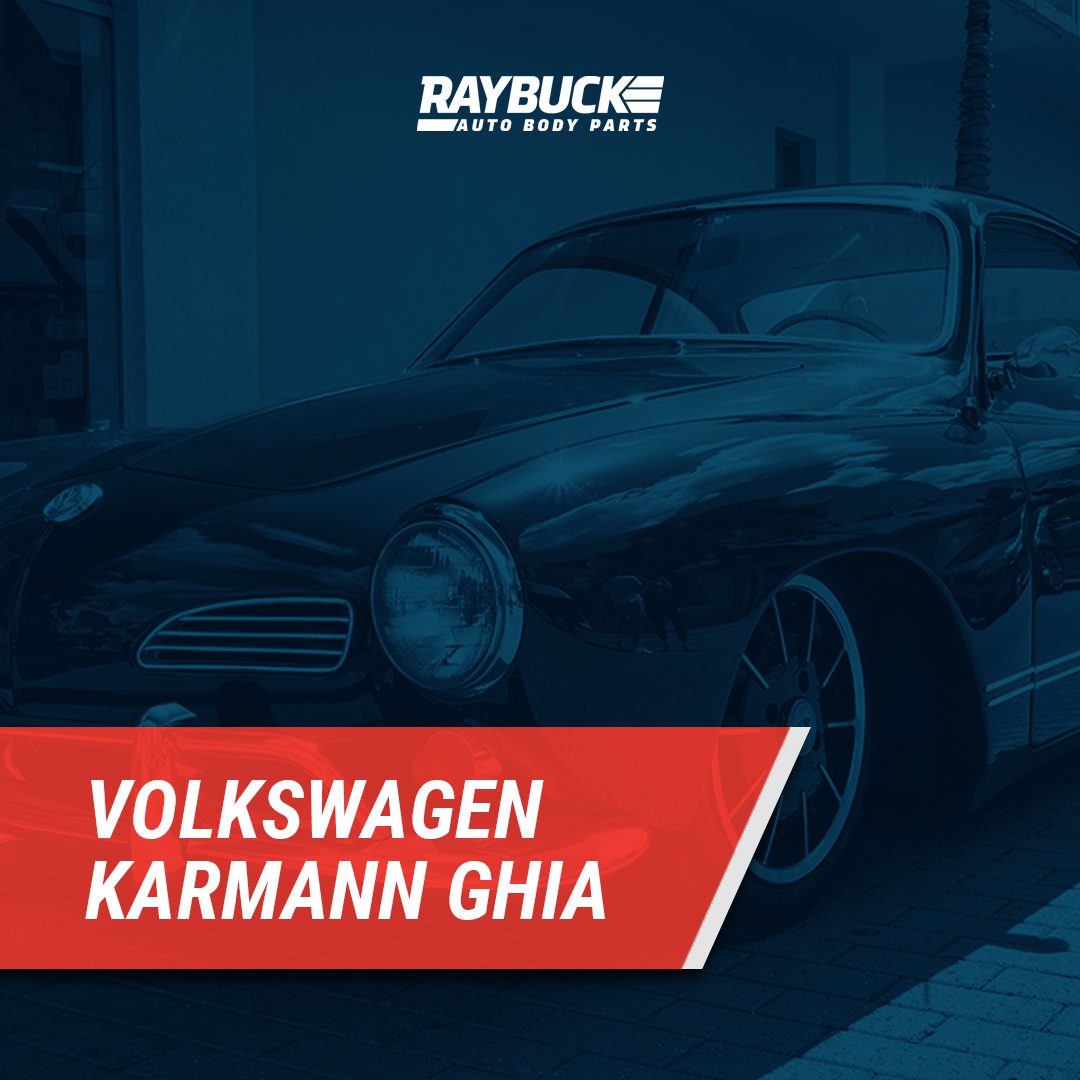
Volkswagen Karmann Ghia

Volkswagen Karmann Ghia

Some cars from yesteryear take a little longer to experience their time in the limelight. Obscure mid-century makes and models often find themselves forgotten amid the larger and louder voices in the room. The household names that were popular in America during the golden age of classic cars tend to drown out some of the 20th century’s most stylish and understated vehicles.

Here is the story of the Volkswagen Karmann Ghia, a beautiful little car that is finally getting the attention it deserves. These classic cars are becoming more popular and fetching affordable, yet modest, prices on the market. Let’s take a closer look at the history of this lesser-known cousin to the iconic Volkswagen Beetle and how much it’s worth in today’s market.

Quicks Links:

A Brief History of the Volkswagen Karmann Ghia

Many people are unaware that the Volkswagen Karmann Ghia had an impressive and successful lifespan. It lasted nearly 20 years and sold well in that timespan. Despite this model’s notable success, the German automaker eventually replaced it with easier-to-produce models as the Beetle maintained its position as the flagship Volkswagen vehicle. This halt in production was to the benefit of car collectors, as they’re now increasing in value and demand among car enthusiasts.

To understand the journey that led the Karmann Ghia to its current position within American car culture, you should first learn about the VW Karmann Ghia’s history and how it all began.

1955 to 1960: The First Years of the Karmann Ghia

Volkswagen launched the 1955 Karmann Ghia in Europe and followed it with a coupe model in America one year later. It was essentially a Beetle on the inside with a stylish, European flair on the outside. The Karmann Ghia contained the same rugged, rear-mounted and air-cooled engine as the Beetle. The two vehicles also shared the same chassis and various other mechanical components. Today, some question why Volkswagen bothered to make the Karmann Ghia if it was so similar to the Beetle beneath the hood.

Volkswagen’s Beetle line of vehicles was still fresh in America at that time. The company viewed the Karmann Ghia as a way to make more money and reach a broader audience. The Karmann Ghia was Volkswagen’s way of showing the world that their level of quality and reliability was available in more car models than the Beetle alone. Beetle owners felt better about choosing Volkswagen when they saw the manufacturer could make a handsome new car like the Karmann Ghia.

Their plan seemed to work. Americans loved the Karmann Ghia’s sportier dashboard and wide, padded front seats that were easy to adjust and comfortable to use. This new vehicle demanded a higher price than the Beetle, but many Americans were willing to spend more on luxuries like the convertible model, which launched in 1958.

Shop 1955-1960 Karmann Ghia Parts »

1967 Karmann Ghia

1961 to 1967: Setting the Karmann Ghia Apart

Beetle sales were so robust in the mid-1950s and early ’60s that Volkswagen felt little need to even advertise the Karmann Ghia. They saw their newer vehicle as doing its job of reaching some more customers and helping turn Volkswagen into a household name. But Volkswagen’s approach to the Karmann Ghia began to shift in 1961 when they started advertising it for the first time. The Karmann Ghia got 40 horsepower, and Volkswagen felt that was something worth sharing with the public.

As Karmann Ghia sales began to climb, Volkswagen made some subtle improvements to it over the next few years. It received the same mechanical upgrades given to the Beetle, keeping it on the cutting edge of production and mechanical performance for Volkswagen. By the time of the 1965 Karmann Ghia, Volkswagen’s car was one of the most popular convertibles on the market, boasting great padding and a glass — not plastic —  rear window. Consumers loved it compared to other, cheaper convertibles seen in European vehicles at the time.

Then 1967 rolled around, and many car enthusiasts believe this was the Karmann Ghia’s best year. It had a 1.5-liter engine with 53 horsepower. Its excellent aerodynamics allowed it to reach high speeds despite its heavier weight than the Beetle. Since the Karmann Ghia was lower to the ground than the Beetle, it handled better and boasted excellent traction. But the primary reason people view the 1967 Karmann Ghia as the best was that it was the last model before the United States began tightening its production regulations.

Shop 1961-1967 Karmann Ghia Parts »

1968 to 1974: The End of Production

The Karmann Ghia still had some life left before Volkswagen took it off the production lines in 1974. Volkswagen made the 1968 Karmann Ghia with a semi-automatic transmission, keeping it competitive with other cars on the market. By 1972, the Karmann Ghia could hit 90 miles per hour thanks to its 1.6-liter, four-cylinder engine that boasted 60 horsepower.

Then the 1974 Volkswagen Karmann Ghia came off the assembly lines, and it would be the last of its kind. The Karmann Ghia was a classic example of a car achieving a near-perfect appearance for its era, leading to few changes throughout its entire run. For instance, the 1974 Karmann Ghia looks nearly identical to the 1955 model, with many of the slight visual differences resulting from America’s changing regulations. These changes included larger taillights, parking lights, turn signals and hazard lights.

But, as the saying goes, all good things must come to an end. Volkswagen decided to end the Karmann Ghia’s run to make room for their new, less stylish coupe, the Scirocco. The Karmann Ghia’s memory rested silently in history for decades, until now. It’s finally getting the attention it deserves.

Shop 1968-1974 Karmann Ghia Parts »

Karmann Ghia Price Guide

Many variables affect a classic car’s worth. These include the following:

  • The vehicle’s demand
  • The vehicle’s internal and external specifications
  • The vehicle’s age
  • The vehicle’s current condition

It’s challenging to give a general value to any classic vehicle, especially when the same car could be worth more to one person than another. As a classic car that is only recently seeing higher demand, the Karmann Ghia is on the more affordable end of the spectrum. This fact makes it perfect for anyone looking to get a budget-friendly classic car.

Karmann Ghias generally fetch anywhere from $7,000 to $12,000, depending on the factors above. Older models in excellent shape tend to have a higher price than newer models, making the 1974 Karmann Ghia value on the more affordable end of the spectrum. Always be sure to consult trusted individuals or industry professionals before pricing your Karmann Ghia or before buying one you see for sale.

Shop Volkswagen Karmann Ghia Parts

Shop Raybuck Auto Body Parts to Restore Your Volkswagen Karmann Ghia

Overcome body rust with the help of Raybuck Auto Body Parts. We have all the industrial-grade parts for your Karmann Ghia to help it get ready for the road or the next car show. And with its increasing popularity, you’ll want to prepare your Karmann Ghia to wow everyone who passes by.

At Raybuck, we pride ourselves on delivering top-notch products and services. When you call us for advice or information, a real person is always waiting for you on the other end of the line. And our website is intuitive and easy to navigate. We have the reach to offer you industry-competitive prices while still giving you the customer service you deserve. We hope you contact us today to experience our stellar service and take the next step toward restoring your beautiful Volkswagen Karmann Ghia.

Categories
Repair and Replacement

Lower Door Skin Repair and Replacement

lower door skin repair and replacement

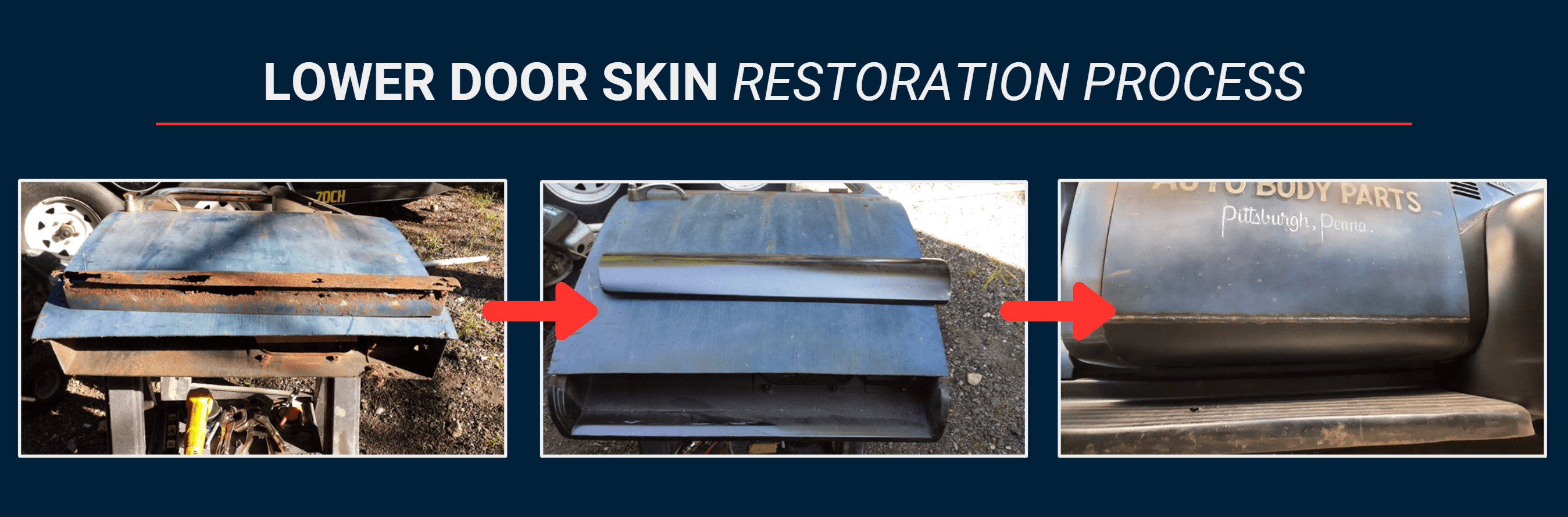
When your lower door skin starts to rust, you want to consider a lower door skin replacement. A full replacement is often required when the rust is too widespread for a smaller patch repair. When replacing rusted or damaged lower door skins, you should know the proper door skin replacement procedures, including how to weld the skin properly and tap it into place. Here’s how to repair and replace your lower door skins and some best practices.

Choosing the right lower door skin

How to Replace a Lower Door Skin: Step-by-Step Process

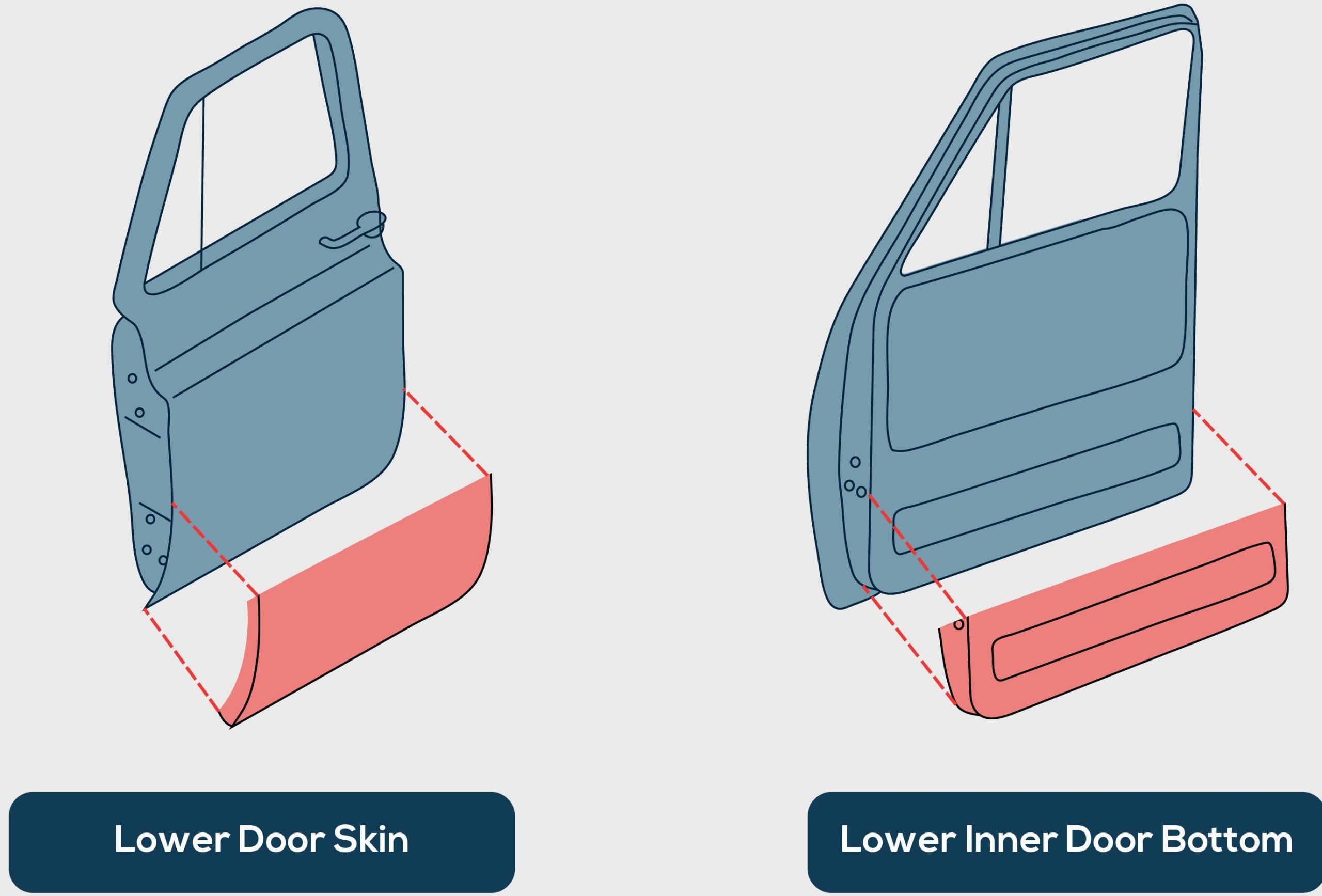
Replacing a lower door skin is a very similar process across many types of vehicles. Whether you have an SUV, van, heavy-duty truck or sedan, you can follow a few basic steps to ensure you properly replace your vehicle’s lower door skin. While lower door skins will look different depending on the vehicle, they all feature a lip surrounding the perimeter.

Look over this lower door skin replacement overview and the main steps for replacing lower door skins:

1. Choose the Right Door Skin

When you want to replace your lower door skin, you first need to select the right lower door skin for your vehicle. You can find various lower door skins designed for specific vehicle makes and models, so it’s important to select a door skin that fits your vehicle.

2. Remove the Old Door Skin

Before you can install your new door skin, you need to remove the old door skin. If you’re working on a restoration or a vehicle with a rotted lower door, or one that’s been in an accident, you may need to remove the entire door bottom rather than just the skin. Then you can install a new door bottom before installing the new skin to improve the door’s overall strength.

If just replacing the skin, you can either hold the new skin over the old and trace a cut line across, or you can clamp the new skin over the old and cut through both pieces. Either way will ensure you have an even seam to weld.

3. Tack the New Skin in Place

Once the old skin is cut and removed, test fit the new skin. If it fits, place a few tack welds along the seam that you just cut to hold it in place.

4. Tap Edges

After tack welding the panel in place, the next step is to tap the new door skin’s edges to lock the skin into place. You’ll tap along the lip edges with a door skin hammer to make the lip close onto the frame. Once the lip is closed, your lower door skin will be securely attached to the frame.

Start tapping at the center of the panel and work your way to the sides. Pinch the bottom tight, ensuring it doesn’t interfere with the function of the door. While you tap, you can place a hand anvil or piece of wood on the outside edges so the door doesn’t bend. Slowly tap the lip across the length of the door once and then tap in the other direction to make it even. Don’t tap completely down during your first round to ensure ripples don’t form.

5. Weld the Door Skin Into Place

Once the door skin edges are tapped into place, you can TIG weld across the seam of the new door skin to attach it to the original upper skin. MIG welders will work, but TIG welders are perfect for welding new door skins as they facilitate incredibly precise welding over curves and don’t produce slag or weld beads. As a result, you’ll receive a much cleaner welding job than if you chose another method. You don’t want to apply too much heat to the door skin when welding as it will cause it to warp. Follow a stitch welding pattern across the seam, skipping around 6 inches at a time. Slowly work across the door skin and then start the process over again. Do this until the entire seam is welded.

6. Bodywork and Paint

Now that the lower door skin is secured tightly to the door and welded into place, grind down any high spots, clean and do your bodywork. Once done, you’re ready for paint. After you paint the door, your previously rusted or damaged lower door skin should look brand new.

Tips for door skin replacement and repair

Tips for Door Skin Replacement and Repair

As you work on a door skin repair or replacement job, you might be interested in a few best practices to ensure your vehicle looks its best. Here are some common tips for door skin replacement and repair:

  • Use a door skin hammer: Avoid using a standard hammer to tap your lower door skins into place. Instead, use a door skin hammer specifically designed for the task. These hammers’ heads are reduced in size so more energy goes on the flange, and they also feature a customized curvature to make it easier to use in hard-to-reach areas. The hammer’s specialized angle will help you get into the door’s edges as you tap the panel into place.
  • Check if you only need a repair: You can sometimes repair your door skin instead of totally replacing it, so you should check if your door skin only needs repairs first. For example, you can sometimes repair rust on a lower door panel rather than having to replace it. Additionally, you can usually repair smaller dents and scratches in the door skin without needing a full replacement. However, if you have extensive rust damage or large dents, you’ll want to replace the door skin instead.
  • Apply primer: Before joining the inner door panel and the door skin, coat the inside of both in a self-etching or weld-through primer. By applying primer before installing the new door skin, you can prevent rust.
  • Coat with cavity wax: Once the door skin is welded in place and painted, apply a coat of cavity wax to the inside of the door shell. This will help prevent rust from forming in the future.

Lower Door Skin Restoration Process

Get Replacement Door Skins From Raybuck

At Raybuck Auto Body Parts, we can help you outfit your vehicle with a new lower door skin replacement. We carry various replacement door panels, and we have many different lower door skin replacement parts. We’re proud to help our customers keep their door skin replacement costs affordable while also offering high-quality parts.

Browse our selection of interior door skin replacements today. If you have any questions, please free to contact us.

Categories
Tech Articles

VW Beetle vs. Super Beetle: What’s the Difference?

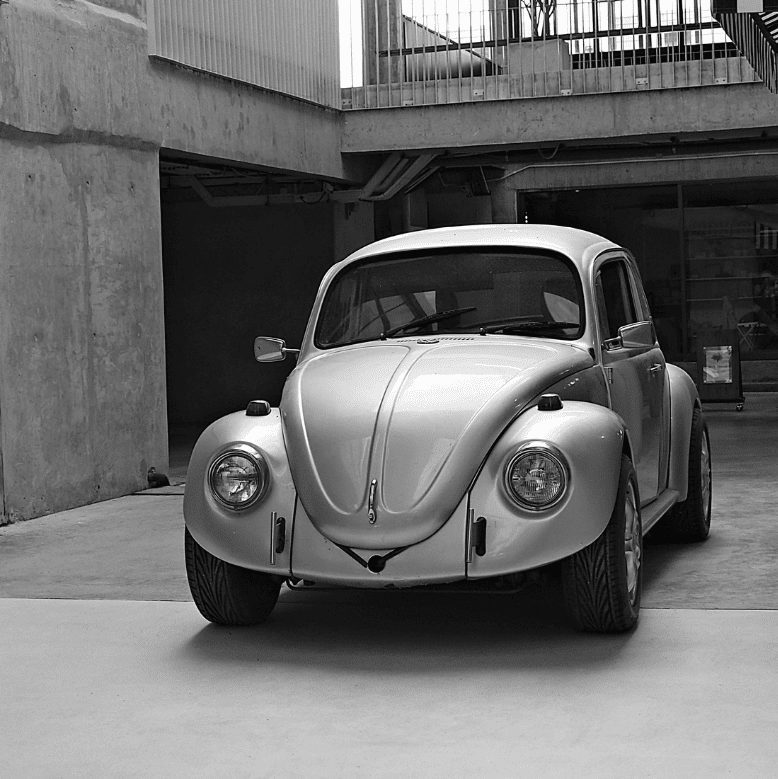
VW Beetle vs Super Beetle

If you own or hope to own a Beetle from the 1970s and want to invest in the correct restoration parts, it helps to know the difference between the Beetle and the Super Beetle. Volkswagen offered both models throughout the 1970s, with both subtle and major differences between them.

Many people can’t tell them apart at a glance, so it’s important to know some of the primary ways you can determine if you’re looking at a standard Beetle or Super Beetle. Learn more about how to tell if you have a Super Beetle by reviewing the vehicles’ histories and their primary differences.

History oif the VW Beetle & Super Beetle

History of the VW Beetle and the Super Beetle

Volkswagen released the VW Beetle in 1938, and the car evolved significantly after that, with changes made to alter the vehicle’s performance and appearance. Volkswagen kept the VW Beetle in production until the 1980s and later released new versions in the 1990s and 2000s. Standard VW Beetles were largely defined by their iconic look, compact design and affordability.

The Super Beetle was only on the market for less than a decade. Volkswagen first offered the Super Beetle in 1971, with the vehicle staying in production until 1979.

During the 1970s, many different compact car manufacturers began to step up their competition with the VW Beetle. These other compact vehicles gave buyers a more comfortable experience. Customers chose other cars over the Beetle due to the standard version’s cramped design.

Since VW wanted to bring drivers back to their flagship compact car, they created the Super Beetle to address the main complaints drivers had about the standard model. This upgraded Beetle came with a few new features and a larger design to increase passengers’ comfort. When they released it in 1971, Volkswagen called it a “1302”. Later, in 1973, they released a new Super Beetle called the “1303.”

Primary Distinctions Between Super Beetles and VW Beetles

While the VW Beetle’s production began in 1938, they were still in production in the 1970s during the Super Beetle’s run. As a result, some collectors may not know how to tell Beetles from the 1970s apart. Some people will simply tell you that Super Beetles are larger than standard Beetles. But there are several other differences between them to help identify what kind of Beetle you’re looking at.

To know how to tell the difference between regular VW Beetles and Super Beetles or to decide which one is right for you, review some of their primary differences:

Length and Width

One of the primary distinctions between the Super Beetle and the standard Beetle is their size. VW designed the Super Beetle with a slightly longer and wider body than the VW Beetle. Since Super Beetles are only a few inches longer and wider than standard VW Beetles, it’s often difficult to identify which Beetle is which if you’re just going by length.

Storage Capacity

One of the most notable changes Volkswagen made to the Super Beetle was its increased storage capacity. The standard model lacked space. When Volkswagen increased the Super Beetle’s length and width, they also expanded its storage capacity, giving the upgraded Beetle a major advantage. With the increased length, the Super Beetle’s trunk had the space needed to store a tire and leave room for other items.

To determine whether a Beetle is the standard version or a Super Beetle, check how the spare tire fits in the front trunk. A Beetle with a spare tire that fits in the trunk and leaves space for groceries and luggage is a Super Beetle. A Beetle with a tire that takes up all the trunk space will be a standard Beetle.

Drive Quality

Another difference between the Beetle and the Super Beetle relates to the vehicle’s drive quality, which is the most apparent change. Since the Super Beetle needed to be more comfortable to drive, it featured some mechanical upgrades, primarily a new front suspension.

Instead of using the standard Beetle’s torsion bar, the Super Beetle came with a MacPherson strut front suspension assembly. This change gave the Super Beetle a greater turning radius and improved its driving quality.

When you drive both vehicles, the difference between the standard Beetle versus the Super Beetle’s handling is clear. The Super Beetle’s steering is much more responsive, and the overall ride is smoother.

Windshield and Roofline Design

In the first couple of Super Beetle years, it had the same windshield and roofline design as the standard Beetle. In 1973, VW added a flatter roofline and curved windshield to the Super Beetle.

These changes were intended to differentiate the models. But the flatter roofline and more curved windshield are barely visible when you look at the Super Beetle. You’ll have to look close to tell the models apart based on these characteristics alone.

Convertible Options

There were convertible trims available for standard VW Beetles before 1971. But from 1971 to 1979, Super Beetles only came with a convertible trim. If you own a Beetle from this period and it’s a convertible, you can be confident it’s a Super Beetle.

Do VW Beetles and Super Beetles Require Different Parts?

While some VW Beetle owners think they can easily swap parts between models, the Super Beetle and standard Beetle have unique requirements. Know how to tell the two Beetles models apart when you need to purchase restoration parts for your vehicle.

Shop VW Beetle & Super Beetle Parts

Choose Raybuck for Your VW Beetle and Super Beetle Restoration Parts

Now that you know the difference between standard VW Beetles and Super Beetles, find the right restoration parts for your vehicle. At Raybuck Auto Body Parts, we have the right parts for the type of Beetle you own. We have repair panels and restoration parts designed for the Super Beetle’s unique requirements. We also offer parts for standard 1968-1979 VW Beetles and interior replacement parts for both models.

Whatever Beetle you own, we have restoration parts and panels ready to restore it. The VW Beetle is an iconic piece of automotive history, and any parts you use to restore it should be the best. We ensure the Beetle parts we offer meet standards for excellence, helping you get the most from your VW Beetle and keep it looking its best.

Browse our many restoration parts designed for Beetles. If you have any questions, contact us today.